




How to Add More Style to Your Golf Bag

A golf bag can reveal a player’s point of view before the first tee shot. The headcovers, towel, and smaller details create an immediate impression through their colors, materials, and artwork.
A well-styled bag does not need an accessory hanging from every loop. A few considered choices can introduce personality while keeping the setup clean, useful, and connected. The goal is to build a collection that reflects your golf style without feeling overworked.
What Gives a Golf Bag Style?
Golf bags once followed a predictable formula. A branded towel, matching club covers, and a few practical essentials were enough for most players. Golfers now have more freedom to bring personal style into the game while maintaining the restraint that keeps a bag looking refined.
That personality can come from vintage-inspired embroidery, textured materials, graphic artwork, or an unexpected color combination. Each detail contributes to the complete setup.
The strongest golf bags feel collected rather than decorated. Every piece has a reason to be there, and the accessories share a consistent visual direction.
Start With Your Headcovers
Headcovers often establish the style of a golf bag. Their shape, artwork, texture, and placement make them some of the first details people notice.
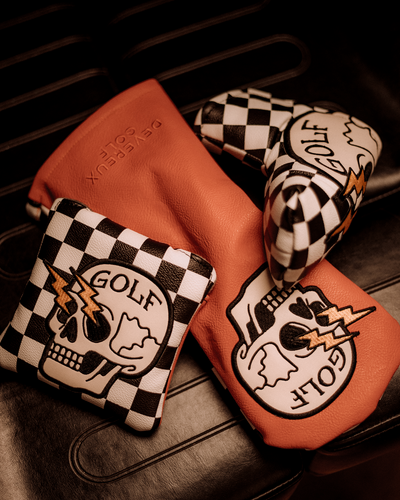
Look for headcover designs that reflect your broader taste. That might mean understated earth tones, heritage-inspired graphics, dimensional embroidery, or a design with a stronger visual presence. The headcovers do not need to match, but they should feel connected.
A driver headcover can serve as the focal point, while simpler fairway wood and putter covers support it. This approach gives the most distinctive design room to stand out without turning the bag into a collection of competing graphics.
Construction also matters. A headcover should protect the club while holding its shape through regular use. Soft interior materials, substantial padding, and thoughtful stitching give the design a practical foundation.
Build Around a Considered Color Palette
Color is one of the simplest ways to create cohesion across golf accessories. Instead of evaluating every item separately, consider how each color will work within the complete setup.
A useful palette can include:
- One dominant color that establishes the overall direction
- One neutral that keeps the arrangement grounded
- One accent color used in smaller details
Earth tones, faded primary colors, black, cream, navy, and muted greens can create an understated foundation. Brighter shades work best when repeated selectively through embroidery, trim, or a single graphic.
The purpose is not to make every piece identical. Controlled repetition creates a visual connection while allowing each accessory to retain its own character.
Balance Expressive and Restrained Pieces
An accessory with detailed embroidery or graphic artwork needs space around it. Pairing that piece with quieter colors and simpler finishes keeps the overall arrangement balanced.
Texture offers another way to add depth. Woven fabrics, smooth finishes, padded construction, knitted materials, and raised embroidery can create contrast without relying on a wide range of colors.
Think about the visual weight of each accessory. A bold driver headcover may be enough to lead the setup. The towel, putter cover, and smaller pieces can support its colors or materials without repeating the exact design.
This balance allows personality to come through with restraint. It also keeps golf fashion connected to personal taste instead of short-term novelty.
Choose Golf Accessories That Earn Their Place
The best golf accessories contribute to both the appearance and function of the setup. Style matters, but each item should still make the round easier or help protect the equipment.
Headcovers reduce unnecessary wear on clubs. Towels help keep grips, clubfaces, and equipment clean. A well-made valuables pouch keeps smaller items organized. Hats and socks can carry the same visual point of view beyond the bag and into the complete look.
Function does not require generic design. Practical pieces can feature embroidered artwork, nostalgic references, thoughtful color combinations, and carefully selected materials.
Every accessory should solve a problem, support the look, or ideally do both.
Let Your Setup Develop Over Time
A considered golf bag rarely comes together in one purchase. It develops as pieces are added, used, replaced, and collected across seasons.
Start with the golf accessories you need most. Add new pieces when they complement the colors, materials, or design language already present. Remove anything that begins to feel out of place or no longer serves a purpose.
This gradual approach creates a setup with more character. A headcover tied to a memorable course, a towel from a favorite collection, or an accessory that has traveled through dozens of rounds brings a history that cannot be recreated by buying everything at once.
Long-term style comes from consistency, not constant replacement.
Follow Your Own Point of View
The most memorable golf bags tend to reflect the person carrying them. Some golfers prefer clean colors, subtle textures, and minimal graphics. Others are drawn to vintage Americana, Western influences, destination artwork, or expressive embroidery.
There is room for either direction. What matters is that the pieces share a recognizable point of view.
Avoid adding novelty items simply because they are different. Choose accessories that connect to your actual taste and the way you approach the game. A design that still feels right next season will contribute more than one selected only because it is currently popular.
Men’s golf style begins with a simple question: Does this feel like something I would genuinely wear or carry?

Review the Entire Bag
As the collection develops, step back and look at the bag as a complete composition. An accessory that works well on its own may feel out of place once it is added to everything else.
Ask yourself:
Does a consistent color appear across the setup?
Do the materials and graphics complement one another?
Is there a clear focal point?
Are multiple pieces competing for attention?
Does every accessory still serve a purpose?
Would removing one item make the arrangement stronger?
Editing is part of developing personal style. A cleaner golf bag often gives the most considered pieces greater presence.
Choose Pieces Built for Long-Term Use
Golf accessories move through changing weather, crowded bag drops, car trunks, and regular rounds. Materials and construction should support that reality.
Look for substantial fabrics, secure stitching, protective linings, and designs that hold their shape. Those details affect how an accessory performs and how it continues to look over time.
Long-term appeal matters as much as construction. Nostalgic influences, considered artwork, and controlled color palettes tend to remain relevant because they are grounded in a clear design perspective rather than a passing trend.
Choosing carefully also makes it easier to expand the setup later. New additions can fit naturally alongside the pieces already in rotation.
Give Your Golf Bag a Clear Point of View
Giving your golf bag personality comes down to restraint, consistency, and useful details. Begin with headcovers that establish the visual direction, build around a focused palette, and balance expressive designs with simpler pieces.
Devereux Golf approaches golf accessories with the same intention found across its modern golfwear. Embroidered artwork, textured materials, nostalgic references, and thoughtful construction give each piece character while keeping it useful throughout the round.
Checkerboard patterns, Americana influences, Western-inspired graphics, and destination artwork offer several ways to connect the bag with your broader approach to men’s golf fashion. Each piece can stand on its own while remaining connected to the wider collection.
Explore the Devereux Golf accessories collection and find the pieces that fit your style.


Leave a comment